 ×
×  ×
×
Practical sensory support for real working lives
Helping Mitie make mental health, neurodiversity and sensory support more practical, discreet and easier to access across real working lives.
This is not about guessing. It is about listening first, finding patterns, then building practical support around Mitie's own workforce.
The recommended first step is a short, anonymous staff insight survey, helping Mitie understand what colleagues actually experience before any wider product rollout, pilot or support recommendation.
Stimz is more than a product supplier. We combine practical tools, sensory insight, lived experience and feedback-led guidance so support can fit real working days.
Stimz is a UK-based, women-led sensory support business. Our work is shaped by lived experience, neurodivergent community feedback, school and SEND conversations, public-sector interest, real-world product testing and our ongoing sensory insight data.
Quiet, discreet and low-disruption tools people can try during real working days.
Understanding different inputs such as texture, pressure, movement, rolling, squeezing, clicking and wearable support.
Shaped by neurodivergent people, families, schools, SEND settings and real customer feedback.
A survey-first route to understand what Mitie colleagues need before recommending packs, tools or resources.
Clear wording for managers, wellbeing teams and staff, without clinical claims or awkward framing.
Tap-to-access routes into Mitie-approved resources, wellbeing content, guidance or anonymous feedback.
We are confident we are building one of the largest ongoing neurodiversity-focused datasets relating specifically to sensory tools, sensory aids and real-world support preferences.
Mitie's workforce is varied, operational and spread across different roles, locations, working patterns and environments.
Some colleagues may already know they are neurodivergent. Some may be undiagnosed, self-identifying, masking, waiting for assessment, or simply experiencing overwhelm, heightened anxiety, focus difficulties, sensory stress or communication barriers without using neurodiversity language.
That is why a diagnosis-led approach alone will miss people.
In male-heavy operational environments, support has to feel practical before it feels personal.
Support has to make sense in vans, sites, shared spaces, offices, mobile teams, family life and frontline working days.
Some colleagues may use practical support before they would ask for wellbeing support out loud.
The right first step is to listen across roles and locations, then shape support around what people actually need.
of surveyed people who have used sensory aids before found them useful or very useful in managing symptoms of neurodiversity.
*Stimz Insights survey, 1,339 responses. Figures are based on respondent-reported preferences, contexts and perceived usefulness.
Not guesswork. Real feedback helping us shape practical, low-disruption sensory support for workplaces.
Our existing survey gives us a strong starting framework. A Mitie-specific survey would build on that to understand what neurodiversity, sensory needs and practical support look like inside Mitie's actual workforce.
Before recommending products, packs or workplace resources, we suggest starting with a short, anonymous staff insight survey.
Mitie's workforce is large, varied and heavily operational. A generic sensory pack would only tell part of the story.
Mitie already has strong wellbeing, inclusion and colleague voice routes. The Listen First Pilot would not replace those. It would add a specialist neuro-sensory insight layer.
The survey would not rely only on diagnosis or disclosure. It would explore real working experiences, including stress, overwhelm, focus, sensory input, communication needs, coping strategies, support barriers and what people would actually use.
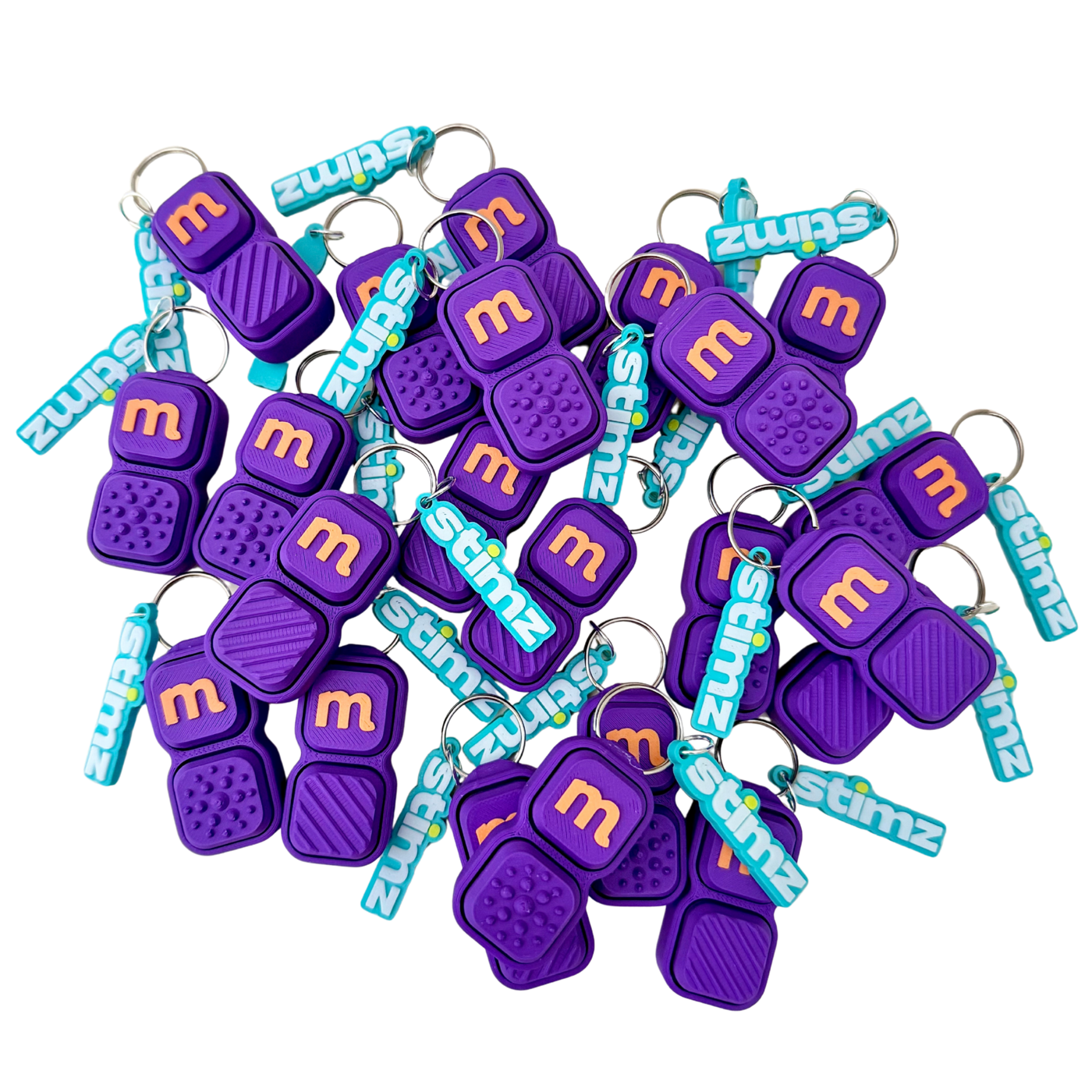
Where pressure shows up across roles, locations, working patterns and environments.
Whether pocket, lanyard, van, desk, digital or Mitie-approved wellbeing routes feel most practical.
What sensory inputs people prefer or avoid, and where family or parent/carer support may be useful.
Findings would be anonymous, aggregated and reviewed at an overall level. No individual responses would be shared with managers.
To get meaningful participation across operational teams, the survey would work best if colleagues were given a short, approved window to complete it during working time.
The result: a Mitie-specific insight report, not guesswork. Listen first. Build around the data. Pilot what people actually need.
This is not a basic feedback form.
The survey would be designed using the framework behind our existing Stimz Insights work, with support from our data science consultants.
Where useful, we can use MaxDiff-style question design. Instead of asking people to rank long lists, respondents choose from smaller sets, helping reduce decision fatigue while producing clearer patterns around sensory input, support preferences and workplace needs.
People often know what feels difficult, but may not know what type of support to ask for. The survey helps turn those patterns into practical recommendations.
A Mitie-specific insight report could include:
This gives Mitie a clearer evidence base before committing budget, choosing resources or scaling support.
Stimz does not replace Mitie's wellbeing support. We help make part of it practical.
Works alongside existing wellbeing routes
Fits shared spaces, vans, sites and office settings
Supports low-stigma access to practical tools
Can connect to Mitie-approved resources through NFC or QR
Helps managers talk about sensory support clearly
Uses feedback to shape what people actually need
Listen. Sample. Learn. Shape.
A short, anonymous way to understand what colleagues actually need.
A simple way for colleagues to try different sensory inputs and see what feels useful.
Clear, low-stigma wording for staff, managers and wellbeing teams.
Anonymous feedback helps shape what support should look like next.
Listen first. Sample carefully. Learn from feedback. Shape what comes next.
Sensory support could sit across Mitie's workplace wellbeing, family support, neuroinclusion and social value work.
For Mitie, this could support mobile teams, site-based roles, shared workspaces, parents and carers, wellbeing champions and future inclusion projects.
The strongest version is shaped around Mitie's people, places and existing wellbeing framework.
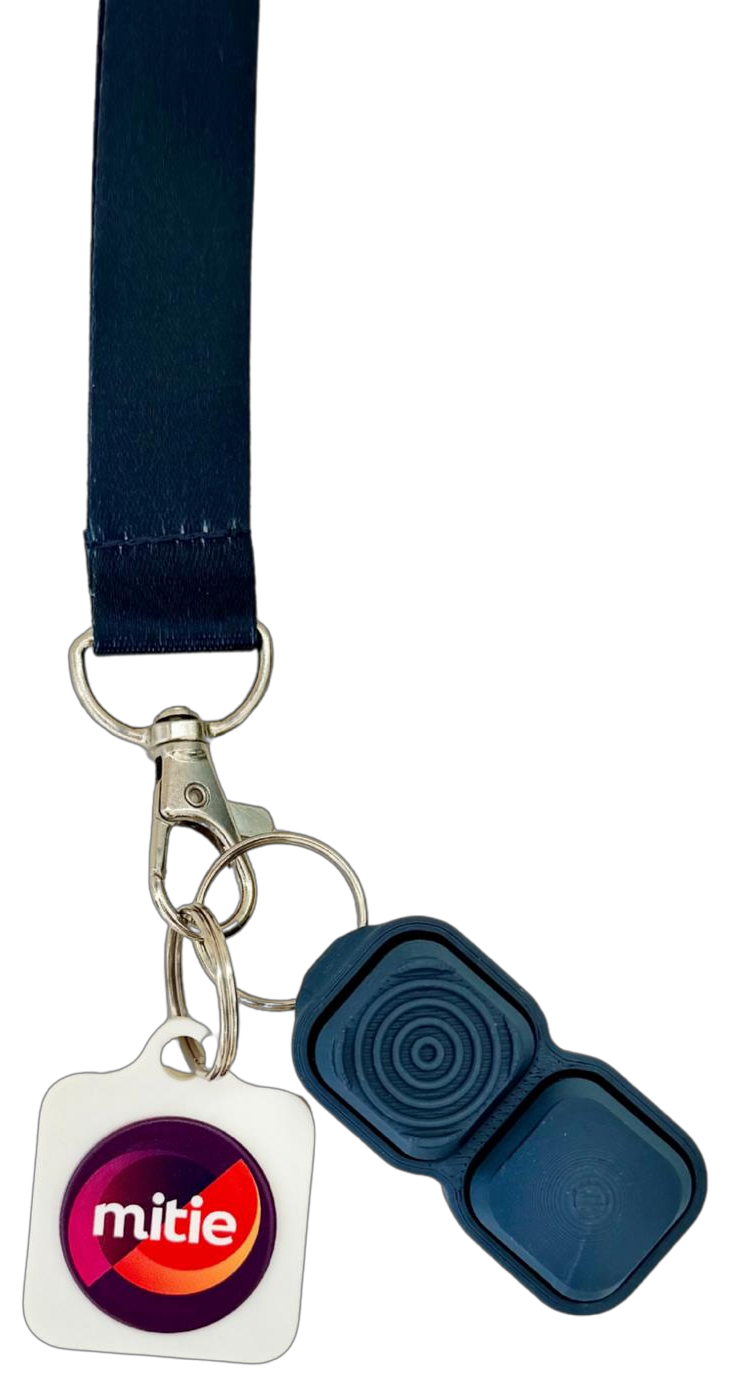
Mitie brings the people, places and purpose. Stimz brings the sensory knowledge, survey framework, tools, insight and practical implementation.
Agree whether a short staff insight survey could be the right first step.
Choose the best colleague groups, settings or wellbeing routes to start with.
Use anonymous colleague insight to shape practical, realistic support.